
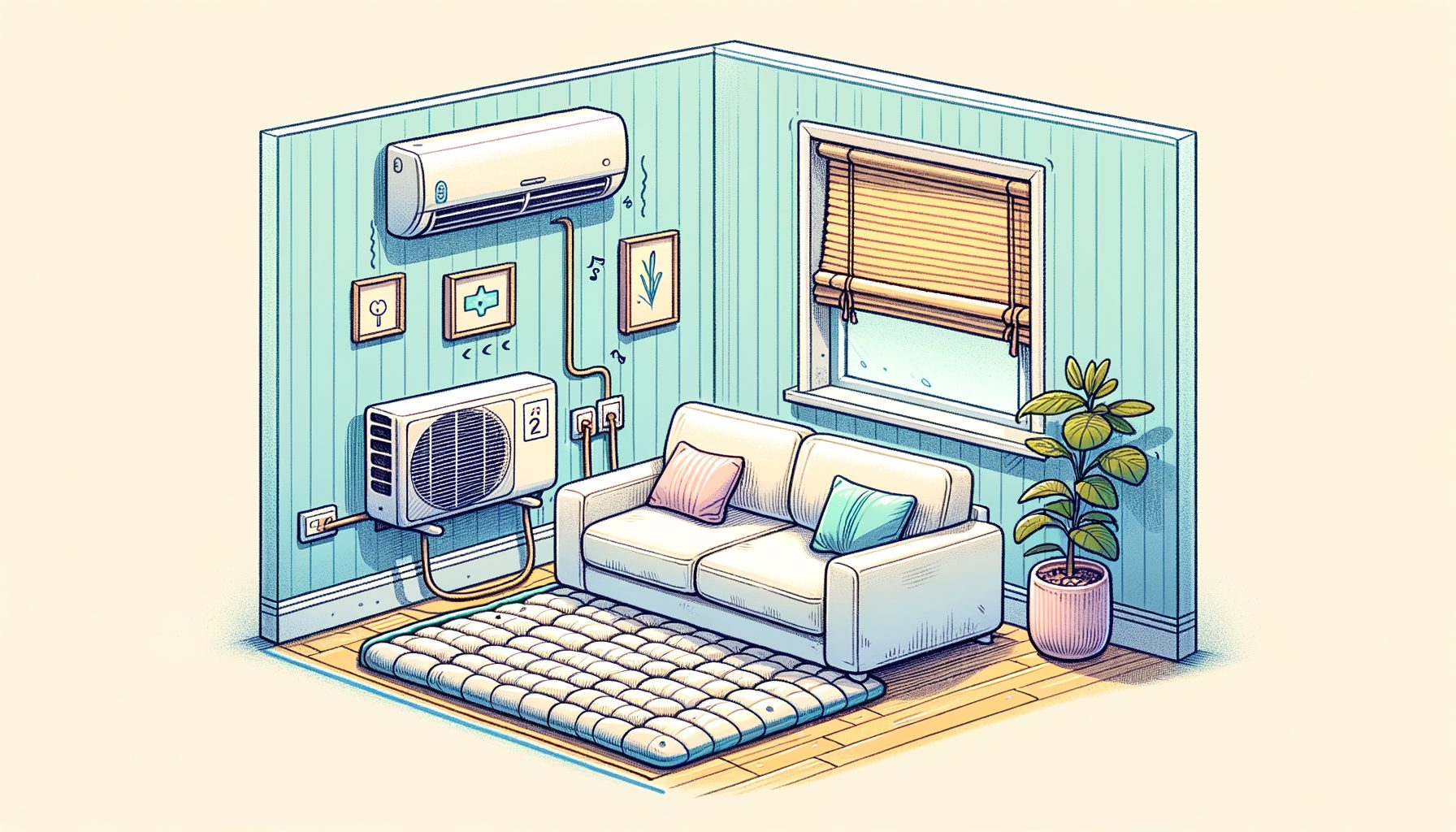
Noisy cooling can ruin sleep, derail video calls, and strip peace from a home. If you want to reduce air conditioner noise and quietly enjoy comfort again, you are not alone. Plenty of people look for ways to quiet their AC without replacing the whole system. Here is the good news: most noise has a clear cause—and practical fixes exist for every budget. In this guide, you will learn how to diagnose the sounds, apply quick DIY solutions, choose smart upgrades, and know when to call a pro. Along the way, you will get simple checklists, trustworthy data, and steps that work for apartments, houses, and small offices.
Why Your AC Is Loud: Diagnosing the Noise
Before you tighten a screw or buy a sound blanket, identify the noise profile. Different sounds point to different causes. A rattling or buzzing may signal loose panels or debris striking the condenser fan. A high-pitched squeal can arise from a worn blower motor or belt (older systems). A whooshing or whistling usually means airflow restrictions—often a dirty filter or undersized return grille. A humming that grows louder during startup could indicate failing capacitors or compressor issues. Short cycling—rapid on/off operation—amplifies noise and often indicates thermostat placement issues, refrigerant problems, or a system sized incorrectly for the space.
Decibels (dB) are easier to interpret with a quick rule of thumb: every 10 dB increase is perceived as roughly twice as loud. Typical central air outdoor units run around 55–70 dB at 1 meter, while older window units can exceed 75 dB. A sudden increase of even 5–10 dB suggests something changed—loosened mounting hardware, a bent fan blade, or clogged coils raising pressure and workload.
A sound meter app on your phone can be used to compare readings in different locations and times of day. Walk around the indoor air handler, the supply vents, and the outdoor condenser. Note whether noise rises when the compressor kicks on, when the blower ramps up, or when ducts expand at startup. Also check that the outdoor unit sits level on a stable pad; even a small tilt can let vibration resonate through the base and into nearby walls or windows.
For reference, here are common sounds and typical levels:
| Sound Source | Typical dB | Notes |
|---|---|---|
| Quiet library | 40 | Goal for bedrooms |
| Modern central AC (outdoor) | 55–70 | Varies by model and distance |
| Older window AC | 70–80 | Often louder during compressor start |
| Normal conversation | 60–65 | Useful comparison baseline |
| Busy street | 70–85 | Level where long exposure can annoy |
If the sound is metallic or grinding, shut the unit down and inspect visually (power off first). Ice buildup, significant oil stains around lines, or bulging capacitors signal the need to call a professional. But if the sound is mainly air movement, vibration, or a benign hum, you likely can reduce air conditioner noise with the simple steps described next.
Quick DIY Fixes to Reduce Air Conditioner Noise Today
Start simple. Many loud systems get quiet with basic maintenance and a few small adjustments you can finish in under an hour.
– Replace or clean the air filter. A clogged filter strains the blower, raising noise and energy use. Choose a filter with the right MERV rating for your system. Too high a MERV can restrict airflow and create whistling; MERV 8–11 suits many residential systems. Set a reminder to check monthly in the cooling season.
– Vacuum return grilles and supply vents. Dust buildup whistles. Make sure furniture or curtains are not blocking airflow. If certain vents are always noisy, slightly open nearby vents to balance flow.
– Tighten loose panels and screws. On both indoor and outdoor units, loose access panels rattle under vibration. Use a screwdriver to snug the fasteners, and add thin foam weatherstripping under panels if needed to damp vibration.
– Level the outdoor unit. Place a level on the condenser. If it is tilted, shim the pad or base with composite shims rated for outdoor use. Add a rubber or neoprene anti-vibration pad under the feet to decouple the unit from the ground. That single change can noticeably reduce low-frequency hum inside the house.
– Clear debris around the condenser. Keep at least 60–90 cm (2–3 feet) of clearance on all sides and 1–1.5 meters (3–5 feet) above the unit for proper airflow. Trim plants, remove leaves, and gently rinse coils with a garden hose from the inside out (power off first) to lower system pressure and noise.
– Adjust fan speed (if supported). Some thermostats and air handlers offer a “quiet” or “circulate low” blower setting. Lower speed reduces turbulence and noise, especially at night. Cooling capacity may dip slightly; use that setting during mild conditions or sleep hours.
– Isolate duct vibrations. Where metal ducts touch framing, add felt tape or foil-faced insulation tape. For supply grilles that whistle, remove the grille and wrap the boot collar with foam gasket tape to seal tiny gaps that cause hiss. Reinstall snugly.
– Add a simple sound baffle. For window ACs, close small gaps with foam side panels and sealant strips; leaks make a surprising amount of noise. For portable units, keep the exhaust hose as short and straight as possible to reduce turbulence.
From field experience in homes and rentals, the combination of a clean filter, a leveled condenser with rubber pads, tightened panels, and cleared coils often cuts perceived noise by one–two “steps” on a sound meter app (~5–10 dB). The difference feels significant, especially in bedrooms or home offices.
Smart Upgrades for Long-Term Quiet
If your AC is fundamentally loud due to design or age, targeted upgrades can create lasting peace without a full replacement. Think of these as investments that pay off in comfort, sleep quality, and lower stress.
– Sound blankets for compressors. A purpose-built compressor sound blanket wraps around the compressor inside the outdoor unit to absorb mechanical noise. Choose a blanket made for your compressor model for safe fit and heat dissipation. Many homeowners report a 3–7 dB reduction. Avoid DIY materials that can trap heat or interfere with service access.
– Variable-speed or inverter systems. Modern heat pumps and ACs with inverter-driven compressors and ECM blowers run at lower speeds most of the time, cutting both noise and power use. Instead of loud on/off cycles, they gently ramp to meet the load. If you plan a replacement in the next few years, prioritize variable-speed technology and low published sound ratings (look for <65 dB for outdoor units when possible). See ENERGY STAR criteria for guidance: https://www.energystar.gov/products/heating_cooling.
– Ductwork improvements. Oversized return ducts and additional return grilles reduce air velocity and turbulence. If you hear rushing air or whistling, an HVAC contractor can calculate required duct sizes using industry standards such as ASHRAE guidelines and adjust accordingly. Flexible duct transitions with acoustic lining near the air handler can also lower noise transfer.
– Acoustic barriers and fencing. A louvered fence or acoustic screen placed 1–2 meters from the outdoor unit can deflect sound away from bedrooms or neighbors. Ensure ample airflow and service clearance; never box in the unit tightly. Choose materials with absorptive surfaces rather than reflective metal to avoid bouncing sound back to the house.
– Mounting upgrades. Swap brittle plastic feet for anti-vibration mounts, and replace a hollow, resonant pad with a dense composite pad that damps vibration. If the unit is on a wooden deck, isolate the feet with thick rubber and consider moving the unit to a ground pad to prevent structure-borne noise from entering indoor spaces.
– Indoor blower enhancements. If your air handler supports it, upgrading to an ECM (electronically commutated motor) blower gives more precise speed control, smoother ramp-up, and less noise. Pair with a high-quality, low-restriction media filter cabinet to maintain airflow without hiss.
When you compare upgrades, weigh decibel reductions against cost. A sound blanket and anti-vibration pads are usually low-cost and high-impact. Duct modifications and system replacements cost more but deliver the quietest results, especially for homes with sensitive sleepers or recording spaces.
When to Call a Pro—and Preventive Care That Keeps Things Quiet
Some noises signal problems that DIY steps cannot safely address. Call a licensed HVAC technician if you hear grinding, screeching, or metallic scraping; if the breaker trips; or if noise comes with weak cooling, ice on lines, or a burning smell. Professionals have tools to measure static pressure, refrigerant charge, motor amperage, and vibration signatures. They can also spot failing parts like bearings or capacitors before they cause louder failures.
When you schedule service, describe the exact sound and timing: Is it louder on startup? Only outdoors? Only at certain fan speeds? Ask the technician to check coil cleanliness, blower alignment, motor mounts, duct static pressure, and compressor mounts. Request decibel readings before and after service if possible. If your system is older than 10–12 years and consistently loud, ask for quotes on inverter-based replacements and compare published sound ratings and warranties.
Preventive care keeps new noise from creeping back. Follow the simple routine below:
– Monthly in peak season: Check the filter, clear debris around the outdoor unit, and listen for new rattles.
– Spring and fall: Gently rinse outdoor coils, verify the unit is level, tighten accessible panels, and test thermostat fan settings. If you have a condensate drain, clear it to prevent water-related sounds.
– Annually: Schedule professional maintenance. Request coil cleaning, refrigerant check, blower wheel inspection, duct connection check, and an overall fastener and mount inspection. Document any recommendations and track decibel changes over time using your phone app.
Knowing typical costs helps you plan. A service visit may cost the equivalent of USD 100–250 in many markets; sound blankets often run USD 60–200; anti-vibration pads USD 20–60; duct changes vary widely; and inverter replacements are a larger investment but can cut both noise and energy bills. In multi-family buildings, coordinate with property management; they may approve quiet hours for maintenance, insulation upgrades around mechanical closets, or exterior screens to reduce noise to neighbors.
With a small habit stack—clean filter, clear coils, tight panels, level base—and annual pro care, most systems stay comfortably quiet for years.
FAQ: Fast Answers About Air Conditioner Noise
Q: Is it normal for my AC to be louder on very hot days?
A: Yes. Higher outdoor temperatures increase system pressure and workload. Fans may run faster, and compressors work harder, raising noise. Keeping coils clean and ensuring good airflow helps limit the increase.
Q: Can I build a box around the outdoor unit to block noise?
A: Do not enclose it tightly. Restricting airflow harms performance and can damage the compressor. Use a louvered or slatted screen placed at least 1–2 meters away with open tops and adequate service clearance.
Q: Will a higher MERV filter make my AC quieter?
A: Not necessarily. Higher MERV can increase resistance and cause whistling or blower noise if the system is not designed for it. Choose a quality filter that fits manufacturer specs and keep it clean.
Q: How much noise reduction can I expect from a compressor sound blanket?
A: Many users report 3–7 dB reduction. The perceived impact depends on your starting noise level, unit design, and mounting. Always use a blanket designed for your compressor model.
Q: Are portable ACs or mini-splits quieter?
A: Ductless mini-splits are usually much quieter than portable units because the compressor sits outdoors and indoor heads use variable-speed fans. Many mini-split indoor units operate around 19–30 dB on low fan.
Conclusion: Make Quiet Comfort Your New Normal
We have covered the full path to peace: how to identify the type of sound, apply quick DIY quieting steps, invest in targeted upgrades, and use preventive care and professional help when needed. The big idea stays simple: most air conditioner noise has a specific cause—and each cause has a practical fix. A clean filter, level condenser, tightened panels, and clear airflow can immediately reduce air conditioner noise. Sound blankets, anti-vibration mounts, improved ducts, and variable-speed systems deliver deeper, long-term quiet. And annual maintenance keeps everything humming softly season after season.
Now it is your move. Take five minutes this week to inspect your system: replace the filter, clear the outdoor unit, and tighten any loose panels. Use your phone’s sound meter to set a baseline and note which steps make the biggest difference. If unusual sounds persist, schedule a professional check and ask for specific recommendations to lower static pressure, absorb vibration, or transition to inverter technology. You do not need to live with a roaring AC—small, smart changes stack up to meaningful calm.
If you are ready for deeper quiet, explore ENERGY STAR-rated systems, ask your contractor about low-dB outdoor units, and consider duct tweaks that smooth airflow. For apartment living, focus on sealing gaps around window or portable units and adding anti-vibration isolation. Whatever your setup, there is a path to quieter cooling that fits your budget and timeline.
Your home should be a place where cool air whispers, not shouts. Start today, track your progress, and enjoy the comfort you deserve. Which quieting step will you try first?
Helpful Resources
ENERGY STAR: Central AC and Heat Pump guidance — https://www.energystar.gov/products/heating_cooling
ASHRAE (HVAC standards and guidance) — https://www.ashrae.org/technical-resources
WHO Environmental Noise Guidelines — https://www.who.int/publications/i/item/9789289053563
U.S. EPA Noise Information — https://www.epa.gov/clean-air-act-overview/noise-pollution
Sources
Manufacturer sound ratings and installation manuals from major brands (Carrier, Daikin, Mitsubishi Electric, Trane, Lennox).
ASHRAE Fundamentals Handbook: Airflow, duct design, and acoustics principles.
ENERGY STAR product criteria and technical specifications for residential HVAC.
WHO Environmental Noise Guidelines: Context for health impacts of environmental noise.