
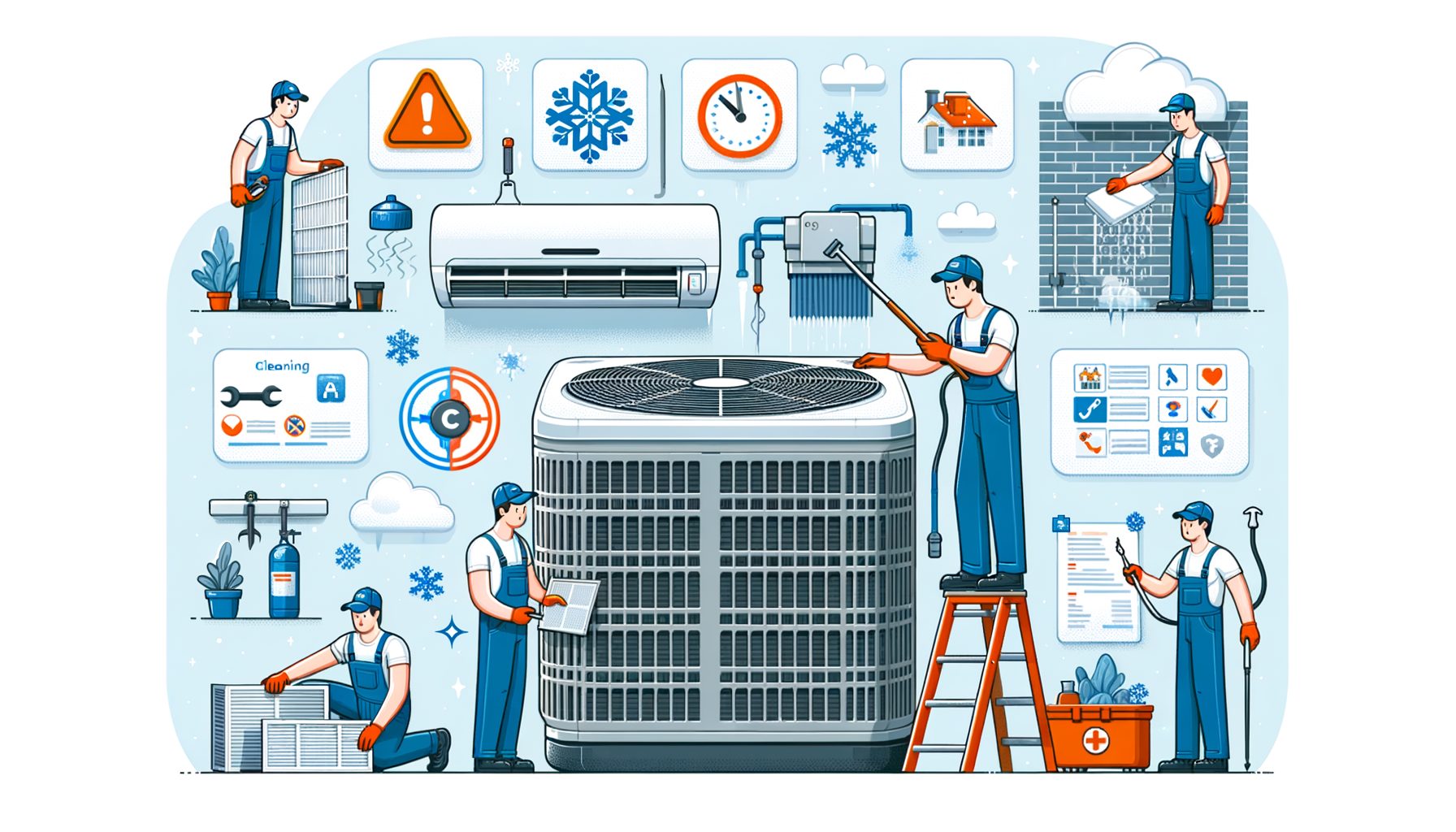
Rely on your air conditioner to keep you cool, productive, and sane—especially when a heat wave hits? Most of us do. Yet the number-one reason ACs die early is plain neglect. Filters clog, coils gather dust, drains back up, and tiny electrical quirks snowball into expensive failures. Well, here it is: a practical set of AC maintenance tips that stretches equipment life, trims energy bills, and fends off surprise breakdowns. If you’ve wondered, “What should I actually do—and how often?” this step-by-step playbook turns confusion into action.
Why AC Maintenance Matters: Costs, Comfort, and System Lifespan
The core issue looks simple: air conditioners run for thousands of hours in tough conditions, yet they are sensitive to airflow, cleanliness, and electrical health. When dust throttles airflow or coils get grimy, the system must work harder to hit the same temperature. Extra strain shortens the compressor’s life—the priciest part—and drives up energy use. According to the U.S. Department of Energy, routine filter replacement or cleaning boosts performance and efficiency. ENERGY STAR reports that a clogged filter can increase energy consumption by 5–15%, which adds up over a long summer.
Neglect costs more than money; comfort and air quality suffer as well. Uneven cooling, high humidity, and stubborn odors often signal poor airflow. Dirty coils and pans also invite microbial growth. Over time, minor issues—like a slightly loose electrical connection or a partially blocked condensate drain—turn into major ones: blown capacitors, iced coils, water leaks, or even compressor failure.
On the flip side, consistent upkeep can help a system reach or exceed its typical service life (often 12–15 years for many residential units, depending on climate, usage, and equipment quality). Annual professional tune-ups, paired with monthly and seasonal homeowner tasks, keep efficiency near design specs and catch small problems early. Want cooler rooms, fewer repairs, and predictable bills? Routine maintenance delivers the highest ROI. Think of it like caring for an engine: oil changes keep a car alive; filter changes and coil cleaning do the same for an air conditioner.
Monthly and Seasonal DIY Maintenance: A Simple Checklist That Works
Start with what you can do in minutes. Begin with filters: check monthly and replace or clean them at least every 1–3 months during heavy use (more often if you have pets, allergies, or live in a dusty area). A clean filter shields the evaporator coil from dirt and preserves strong airflow. Choose a MERV rating your system can handle; going too high without guidance can restrict airflow.
Then this: give the outdoor unit breathing room. Clear leaves, grass clippings, and debris within a two-foot radius. Gently straighten bent fins with a fin comb or soft brush, and rinse the coil from the inside out with a garden hose if accessible—pressure washers can crush fins, so avoid them. Trim shrubs and move objects that block airflow or radiate heat.
What’s interesting too, a simple drain check prevents big headaches. If your indoor unit sits in an attic or closet, you’ll likely see a white PVC drain and a float switch. Pour a cup of distilled white vinegar into the drain line every month or two to discourage algae growth. If drainage slows or water appears in the emergency pan, shut the system off and investigate before running it again.
For airflow, open and vacuum return grilles and supply vents. Avoid closing more than one or two supply vents; shutting many vents raises static pressure and strains the blower. Make sure the thermostat’s schedule fits your routine: set reasonable setbacks (for example, 25–26°C / 77–79°F when away, 24–25°C / 75–77°F when home) and avoid frequent manual changes that trigger short cycling.
Personal note: a “no cooling” panic in my apartment was fixed in minutes—an overdue filter and a clogged drain were the culprits. The coil had begun to ice because airflow was low. Thirty minutes after replacing the filter and flushing the drain, cooling returned to normal. Small steps really do prevent big problems.
| Task | Frequency | Time Needed | Impact | Difficulty |
|---|---|---|---|---|
| Replace/clean air filter | Check monthly; replace every 1–3 months | 5 minutes | Protects coil, improves airflow, cuts energy 5–15% (ENERGY STAR) | Easy |
| Clear debris around outdoor unit | Monthly during cooling season | 10 minutes | Prevents overheating and weak airflow | Easy |
| Flush condensate drain with vinegar | Every 1–2 months | 10 minutes | Prevents leaks and high humidity | Easy |
| Rinse outdoor coil (gentle) | Once per season | 20–30 minutes | Improves heat exchange and efficiency | Moderate |
| Thermostat schedule check | Seasonal | 5 minutes | Reduces short cycling and energy waste | Easy |
Safety tip: always power off the system at the thermostat and, if working near electrical components, at the breaker. Sealed panels and refrigerant handling should be left to licensed professionals.
What Pros Do During an Annual AC Tune-Up (And When to Call One)
Professional maintenance complements DIY tasks by inspecting what’s hard to see or measure. A quality tune-up typically includes: cleaning the evaporator and condenser coils; measuring refrigerant pressures, superheat, and subcooling to verify charge; testing electrical components (contactors, capacitors, relays) and tightening connections; measuring blower motor amperage and testing the capacitor; cleaning the blower wheel if needed; inspecting ductwork for visible leaks; checking static pressure and verifying airflow (often targeting roughly 350–450 CFM per ton, depending on design); calibrating the thermostat; and confirming proper condensate drainage and safety switch operation.
Why it matters: incorrect refrigerant charge causes poor cooling, icing, and premature compressor wear. Weak capacitors or pitted contactors trigger hard starts and nuisance shutdowns. High static pressure from restrictive filters or duct issues strains the blower and raises noise. Pros carry the instruments to quantify these problems and correct them before failures occur.
Timing counts. Schedule a tune-up before peak season so there’s time to address findings. If your AC is older (10+ years) or you’ve had repeated service calls, consider spring and mid-summer checks. Ask for a written report showing measured values (superheat, subcooling, static pressure, temperature split), what was cleaned, and any recommendations. Keeping those reports builds a maintenance history that speeds future diagnoses.
Call a professional immediately if you notice ice on refrigerant lines or the indoor coil, water leaking around the air handler, frequent breaker trips, burning smells, grinding or screeching noises, or rapid on/off cycling. Shut the system off to prevent further damage. Live in a storm-prone area or deal with grid issues? Ask about a surge protector for the condenser and whether a hard-start kit fits your compressor model.
Smart Usage Habits That Extend AC Lifespan and Cut Bills
Maintenance is only half the story. How you operate the system affects longevity. Avoid extreme setpoints (like 18°C/64°F) that force long runtimes. Keep steady, realistic targets (around 24–25°C / 75–77°F for many homes) and use modest setbacks when away. Rapidly bouncing the setpoint up and down leads to short cycling, which stresses the compressor and contactor.
Reduce the heat load your AC must fight. Close blinds during peak sun, add shade to west-facing windows, and seal obvious air leaks around doors and windows. Use ceiling fans to feel cooler at the same temperature; fans don’t lower the actual room temperature but boost comfort, allowing a 1–2°C higher setpoint. Keep interior doors open when possible to help airflow unless your HVAC system was designed for closed-door operation.
Humidity management helps too. An AC cools and dehumidifies, but in very humid climates a standalone dehumidifier or a variable-speed system may maintain 40–60% relative humidity more efficiently. Drier air feels cooler, reduces mold risk, and helps your AC cycle normally.
Protect the equipment when the weather turns. During storms and brownouts, consider shutting the system off to avoid voltage swings that damage electronics. Don’t cover the entire outdoor unit during the cooling season—airflow is essential. In the off-season, if you choose to cover, use a breathable top cover that keeps leaves out while allowing air movement to prevent moisture buildup.
If you’re upgrading, consider high-efficiency systems with variable-speed compressors and ECM blower motors. They run longer at low speed, improving comfort, dehumidification, and durability compared with old single-stage units that constantly start and stop. Pair the system with a smart thermostat that supports gradual ramping and adaptive recovery to reduce short cycling and match runtime to your schedule.
FAQs
Q: How often should I change my AC filter?
A: Check monthly and replace or clean every 1–3 months during heavy use. Homes with pets, smokers, or allergies may need monthly replacements to maintain airflow and air quality.
Q: Do annual tune-ups really save money?
A: Yes. Catching airflow, electrical, or refrigerant issues early prevents expensive failures and keeps efficiency near design specs. Even simple steps like timely filter changes can reduce energy use by 5–15% (ENERGY STAR).
Q: Is it safe to hose down my outdoor unit?
A: Yes, if done gently. Turn off power and use a garden hose to rinse debris from the coil. Avoid pressure washers and don’t bend fins. For deep cleaning, hire a pro.
Q: What temperature should I set?
A: Aim for a steady, comfortable setpoint (around 24–25°C / 75–77°F for many households) and use small setbacks when away. Avoid frequent changes that cause short cycling.
Q: When should I call a professional?
A: If you see ice on lines, water leaks, burning smells, tripped breakers, loud grinding or screeching, or rapid on/off cycling—turn the system off and call a licensed technician.
Conclusion: Make Maintenance a Habit and Lock In Long-Term Comfort
Here’s the bottom line: most AC problems start small—dirty filters, clogged drains, weak capacitors, or restricted airflow—and grow into breakdowns when ignored. In this guide, you saw the actions that matter most: monthly filter checks, seasonal coil and drain cleaning, keeping the outdoor unit clear, setting smart thermostat schedules, and booking a professional tune-up to verify refrigerant charge, electrical health, and airflow. Together, these AC maintenance tips extend your air conditioner’s life, cut energy costs, and keep your home consistently comfortable.
Now it’s your move. Take five minutes today to: 1) check your filter, 2) clear debris around the outdoor unit, and 3) pour a cup of vinegar into the condensate drain. Then, set a calendar reminder for a quick monthly check during the cooling season. Finally, book an annual tune-up with a reputable HVAC pro and ask for a written report with measured values. If you want to go further, optimize your thermostat schedule and add shading or sealing to reduce heat load.
These small habits compound: fewer emergency calls, a quieter system, better air, and a unit that reaches its full lifespan. Your future self will be glad you spent a few minutes protecting a very expensive appliance. Start today, keep it simple, and stay consistent. Ready to make your AC last longer and cool smarter—what’s the first task you’ll knock out right now?
Helpful resources and further reading:
U.S. DOE: Maintaining Your Air Conditioner
ENERGY STAR: Maintain Your Air Conditioner
CDC: Indoor Environmental Quality
Sources:
U.S. Department of Energy – Energy Saver: Maintaining Your Air Conditioner
ENERGY STAR – Maintain Your Air Conditioner; Air Filter Guidance
EPA – Indoor Air Quality resources
ASHRAE – Technical resources and equipment guidance
CDC – Indoor Environmental Quality overview