
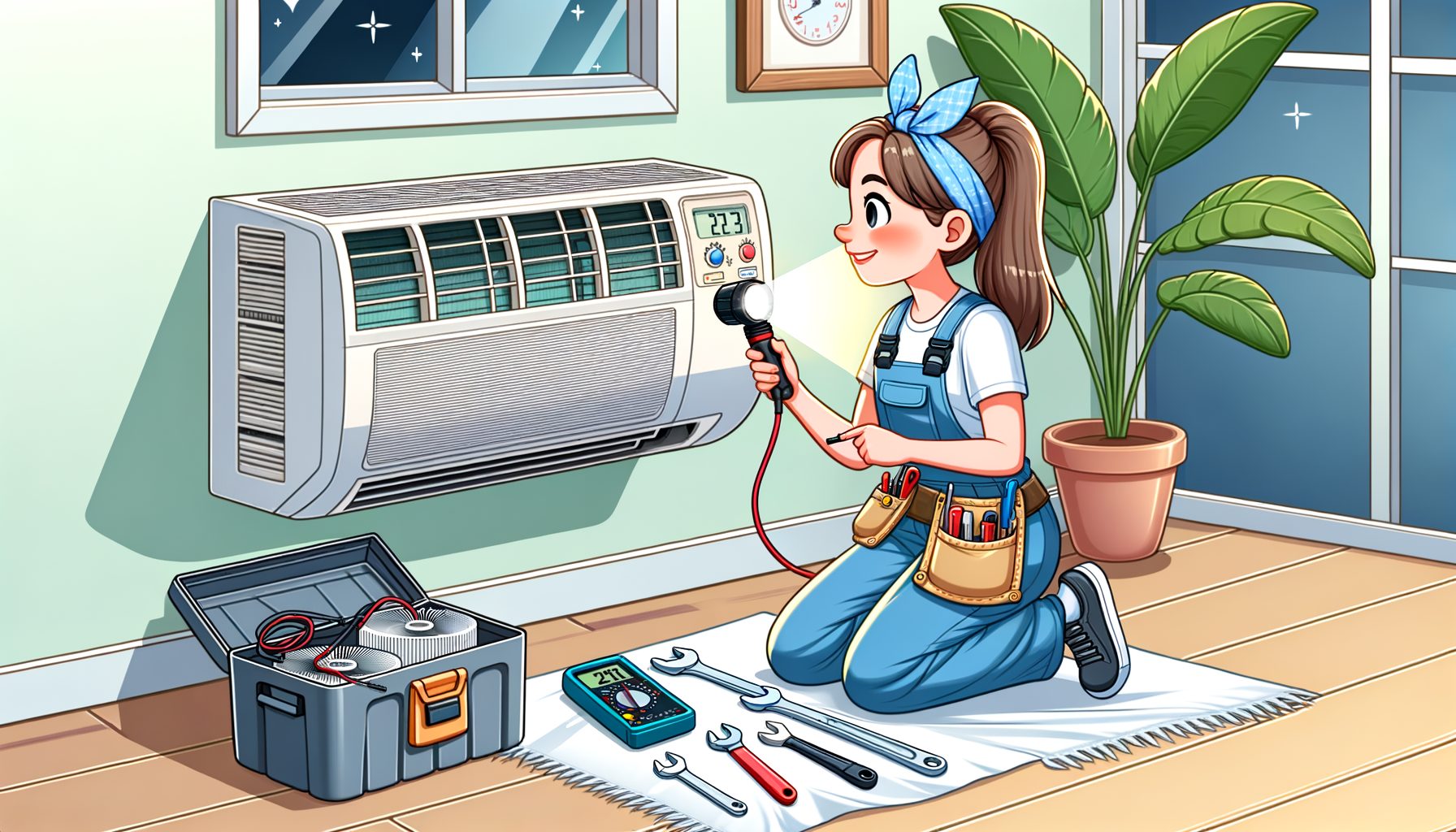
Small habits prevent big problems. If you have ever wondered how often you should service your air conditioner, you are not alone. Many people ignore routine care until the first heatwave or a surprise energy bill arrives. The truth is that regular AC maintenance keeps your home cool, your air healthier, and your costs predictable. In this guide, you will learn exactly how often to service your air conditioner, what a proper tune-up includes, and what you can do yourself between visits to avoid breakdowns and save money.
The real problem: why AC maintenance matters more than you think
Air conditioners rarely fail overnight. They fade quietly—airflow gets weaker, energy bills creep up, and cooling takes longer. Such a slow decline often stems from dust buildup, low refrigerant, or minor wear that goes unnoticed until something breaks. Skipping routine AC maintenance is like driving a car without oil changes: it still runs, just worse, louder, and more expensively.
Data backs it up. The U.S. Department of Energy notes that regular HVAC maintenance can improve performance and efficiency, often reducing energy use by 5–15%. In practical terms, a home spending $150 per month on cooling could save $7–$22 monthly during peak season—enough to pay for a professional annual tune-up over time. Health-wise, a clean system improves indoor air quality by reducing dust and allergens, especially when filters match the right MERV rating for your home. According to the U.S. Environmental Protection Agency, better filtration and ventilation can reduce airborne particles that trigger allergies and asthma; maintenance becomes not just a comfort issue but a well-being one.
Reliability counts, too. Many urgent summer repair calls involve clogged coils, dirty filters, or blocked condensate drains—issues a technician can spot and prevent during a scheduled service. From years of working with homeowners, I have seen a basic pre-summer cleaning and inspection turn a unit that struggled at 3 p.m. into one that cools efficiently all afternoon. With newer ACs, maintenance matters even more: most manufacturers require proof of professional service to keep warranties valid. Stack the cost of a planned tune-up against an emergency compressor replacement, and the logic writes itself. Preventive AC maintenance is not optional; it is the lowest-cost way to keep cooling reliable, efficient, and safe.
How often should you service your air conditioner?
Simple answer: schedule professional AC maintenance once a year for most homes, ideally in spring before heavy use. If you live in a hot, humid, or dusty climate—or you run your system most of the year—twice-yearly service (spring and fall) is a smart investment. Portable and window air conditioners need pre-season cleaning and a mid-season filter check. For central AC, combine annual (or semiannual) tune-ups with monthly filter checks to keep performance steady.
Household factors matter. Homes with pets, smokers, allergy sufferers, or nearby construction collect particles faster and need more frequent filter changes. If your energy bills spike, airflow feels weak, or rooms cool unevenly, treat those as early signals to move your service date forward. Simple rule: if you cannot remember your last tune-up, you are overdue.
Use the table below as a quick guide for service frequency and filter care based on climate and usage. These are conservative recommendations aimed at maximizing efficiency, maintaining warranty coverage, and reducing surprise repairs.
| Climate & Usage | Professional Service | Filter Check/Change | Extra Notes |
|---|---|---|---|
| Moderate climate, seasonal use (spring–summer) | Once per year (spring) | Check monthly; change every 2–3 months | Clean outdoor unit before summer |
| Hot or humid climate, heavy use | Twice per year (spring and fall) | Check monthly; change every 1–2 months | Watch for algae in drain lines |
| Dusty area or pets/allergies | Twice per year | Check monthly; change monthly if dirty | Consider higher MERV filter if the system supports it |
| Light use (vacation home) | Once per year | Check at each visit; change at least twice per year | Run system monthly for 10 minutes to keep seals lubricated |
| Window/portable AC | Pre-season cleaning | Rinse/clean monthly during use | Clean coils and check seals at start of season |
Want to dig deeper? The U.S. Department of Energy provides practical maintenance guidance that aligns with these intervals. Well, here it is: energy.gov/energysaver/maintaining-your-air-conditioner. If your manufacturer’s manual recommends a specific schedule, or you have a high-efficiency system with advanced filtration, follow the stricter guideline to keep efficiency high and the warranty intact.
What a professional AC service should include
More than a glance, a quality AC tune-up is a systematic inspection and cleaning that restores airflow, verifies safety, and fine-tunes performance. Expect the visit to take 60–90 minutes for a typical split-system air conditioner, longer if access is tight or components are heavily soiled. Here is what should be covered and why it matters.
Airflow and filter: The technician checks the return and supply paths, the blower wheel, and the air filter. Airflow is king. Restricted flow is the most common root cause of poor cooling and high energy bills. A cleaned blower and the right filter (appropriate MERV rating for your system) can boost comfort immediately. For filter guidance, see EPA advice on filtration and indoor air quality: epa.gov/indoor-air-quality-iaq.
Coils and condensate: The evaporator coil (inside) and condenser coil (outside) are cleaned to remove dust and grime that block heat transfer. Dirty coils can reduce efficiency and cause freezing. The condensate drain is cleared to prevent water leaks and musty odors. In humid regions, the drain line may also be treated to prevent algae buildup.
Refrigerant charge and temperatures: The technician measures superheat and subcooling to confirm proper refrigerant levels. Low charge reduces cooling capacity and can harm the compressor; overcharge is also harmful. Supply and return air temperatures are compared (delta T) to ensure the system is removing heat correctly.
Electrical and controls: All electrical connections are tightened, capacitors and contactors are tested, and the thermostat is calibrated. Loose wiring and weak capacitors are common failure points during heatwaves when the system runs hardest.
Safety and system health: Unusual noises or vibrations are checked, duct connections are examined, and clearance around the outdoor unit is confirmed. For heat pump systems, defrost controls and reversing valves are tested. The result of a proper tune-up should be a written report showing measurements, what was cleaned, and any recommendations.
Standards-based service gives confidence. Then this: organizations such as ASHRAE publish guidance on ventilation and filtration that many professionals follow. You can explore their resources here: ashrae.org. If your maintenance visit does not include these core checks, ask for them or consider another provider.
DIY monthly care to extend AC life
Plenty can be done between professional visits to keep your AC efficient and quiet. Start with the filter. Check it every month during cooling season by holding it up to the light; if you cannot see light through most of the surface, replace it. Use the MERV rating recommended by your manufacturer. Higher MERV filters catch more particles but can reduce airflow if your system is not designed for them. For a balanced approach, many homes use MERV 8–11; sensitive households may benefit from MERV 13 where compatible.
Give your outdoor unit space to breathe. Keep at least 60 cm (24 inches) of clearance around the condenser. Remove leaves, weeds, and dust from the fins using a soft brush or gentle hose rinse. Do not use high pressure—it bends fins and reduces performance. If the unit sits under a tree or near a dryer vent, check it more often. Indoors, keep supply vents open and unblocked; closing vents does not save energy and can increase duct leakage or noise.
Once a month, pour a cup of white vinegar into the condensate drain line (usually a small PVC pipe near the indoor unit) to reduce algae and odors. If you see water around the air handler, turn the system off and call for service. You can also confirm basic performance by measuring temperature at a return grille and a supply vent after the system has run for 10 minutes. A typical temperature drop (delta T) is about 8–14°C (15–25°F). If it is far outside that range, schedule a check.
Finally, use your thermostat smartly. Set realistic targets (for example, 24–26°C or 75–78°F when you are home) and use a smart thermostat to reduce setpoints slightly overnight or when away. Avoid large daily swings; extreme set-backs can force long, inefficient run times in very hot weather. What is interesting too, a simple recurring reminder for “Filter + Outdoor Unit Check” turns these tasks into habits. These simple actions, combined with annual AC maintenance, can add years to your system’s life while keeping energy bills steady.
Q&A: common questions about AC maintenance
How often should I service my air conditioner? For most homes, once a year before summer. In hot, humid, or dusty regions—or if you use your system heavily—schedule maintenance twice a year.
Do new AC units need maintenance? Yes. Regular service maintains efficiency and is often required to keep the manufacturer’s warranty valid. Skipping service can void coverage on major components.
What type of filter should I buy? Use the MERV rating your system supports, commonly MERV 8–11 for standard homes. If you need better filtration (allergies), consider MERV 13 only if your system can handle the airflow resistance.
Can I clean the outdoor unit myself? Yes, gently. Turn off power, remove debris, and lightly rinse fins from the inside out. Avoid high-pressure water and do not bend fins. Deep coil cleaning is best left to a professional.
When is the best time to book maintenance? Early spring is ideal so you are ready for the first heatwave. For twice-yearly schedules, add a quick fall check after peak season.
Conclusion: a small routine that pays you back all summer
Bottom line: AC maintenance is a simple habit with big benefits. It lowers energy bills, keeps your home consistently cool, improves indoor air quality, and prevents expensive breakdowns. The most effective schedule is clear: book a professional tune-up once a year (twice if you live in a hot, humid, or dusty area), and support it with monthly filter checks and quick DIY tasks. During a proper service, a technician cleans coils, verifies refrigerant levels, confirms airflow, and tests controls—everything your system needs to run at peak efficiency when you need it most.
Ready for a practical next step? Set a reminder right now for a spring tune-up, along with monthly prompts to check your filter. Then walk outside and clear 60 cm of space around your condenser. If your last maintenance was more than a year ago, book a service call with a reputable local technician and ask for a written checklist of what they will do. Well, here it is: for guidance on maintenance basics, review trusted resources such as the U.S. Department of Energy’s HVAC tips and the EPA’s indoor air quality advice. Share this guide with a friend who always waits until the first heatwave—you might save them from a sweaty weekend and an emergency repair bill.
Cooling comfort is not luck; it is a system you maintain. With small, consistent actions, your air conditioner will reward you with quiet, efficient, reliable performance all season long. Ready to start? Change your filter, check your outdoor unit, and schedule your next AC maintenance today. Your future self—and your energy bill—will thank you. What simple step will you take right now to keep your home cooler and your costs lower?
Sources:
U.S. Department of Energy – Maintaining Your Air Conditioner
U.S. Department of Energy – Room Air Conditioners
U.S. EPA – Improving Indoor Air Quality
ENERGY STAR – Heating & Cooling